Complementary treatment
Osteopathy: treatment with the hands.
Osteopaths examine and treat with their hands. They look for restrictions in the mobility of joints, muscles and fascia, and in the connective tissue around the organs. On The BodyIQ, osteopathy sits alongside Feldenkrais because the two complement each other well: one is treatment, the other is learning.
01, What happens at an appointment
What happens at an appointment
A first appointment usually lasts 45 to 60 minutes. It starts with a detailed conversation about your symptoms, medical history and any existing findings. You are then examined standing, sitting and lying down. Treatment uses calm, precise manual techniques. You remain passive, unlike in a Feldenkrais lesson. The practice discusses with you how many appointments would be sensible.
02, Where osteopathy comes from
Where osteopathy comes from
The American physician Andrew Taylor Still presented his ideas in 1874 and founded the first school in Kirksville, Missouri, in 1892. Osteopathy reached Europe via Great Britain. Today, a distinction is usually made between parietal osteopathy (the musculoskeletal system), visceral osteopathy (the organs) and craniosacral osteopathy.
03, What the research says
What the research says
The evidence is mixed. Studies have reported positive results for some musculoskeletal complaints. Many of them, however, have methodological weaknesses, such as a lack of blinding. A report by the Austrian Institute for Health Technology Assessment also points this out. For many other applications, robust evidence is lacking. That is why you will not find a list here of complaints that osteopathy “helps” with.
04, Who is allowed to treat
Who is allowed to treat
- Germany: Osteopathy is legally considered the practice of medicine. Doctors and licensed non-medical practitioners (Heilpraktiker) may treat on their own professional responsibility. The professional title itself is not protected, and there is currently no specific law regulating the profession.
- Austria: Osteopathy is not a legally regulated healthcare profession. It is offered by doctors, and by physiotherapists only on a doctor’s instruction.
- Switzerland: Osteopathy has been a regulated profession since the Health Professions Act of 1 February 2020. Anyone working on their own professional responsibility needs a Master of Science in Osteopathy from a university of applied sciences or the intercantonal GDK diploma, as well as a cantonal licence to practise.
- Rest of Europe: twelve countries currently have their own law for osteopathy: Cyprus, Denmark, Finland, France, Iceland, Liechtenstein, Luxembourg, Malta, Norway, Portugal, Switzerland and the United Kingdom. There, the title is protected and tied to state authorisation. In other countries, general health law determines who may treat patients.
As of November 2026
05, How to recognise a qualified practice
How to recognise a qualified practice
Ask about the licence to practise and the training. The major German associations require at least 1,350 hours of instruction over several years. The BodyIQ Verified seal shows you that we hold both documents.
06, Osteopathy and Feldenkrais
Osteopathy and Feldenkrais
After treatment, many people wonder how to carry on in everyday life. This is where Feldenkrais comes in: you learn to notice and change your movement habits. Osteopathy treats; Feldenkrais teaches. Neither replaces the other.
Sample profiles
The practice behind the treatment
Fictional example, not a bookable practice. The name and offers are samples, not verified profile information.
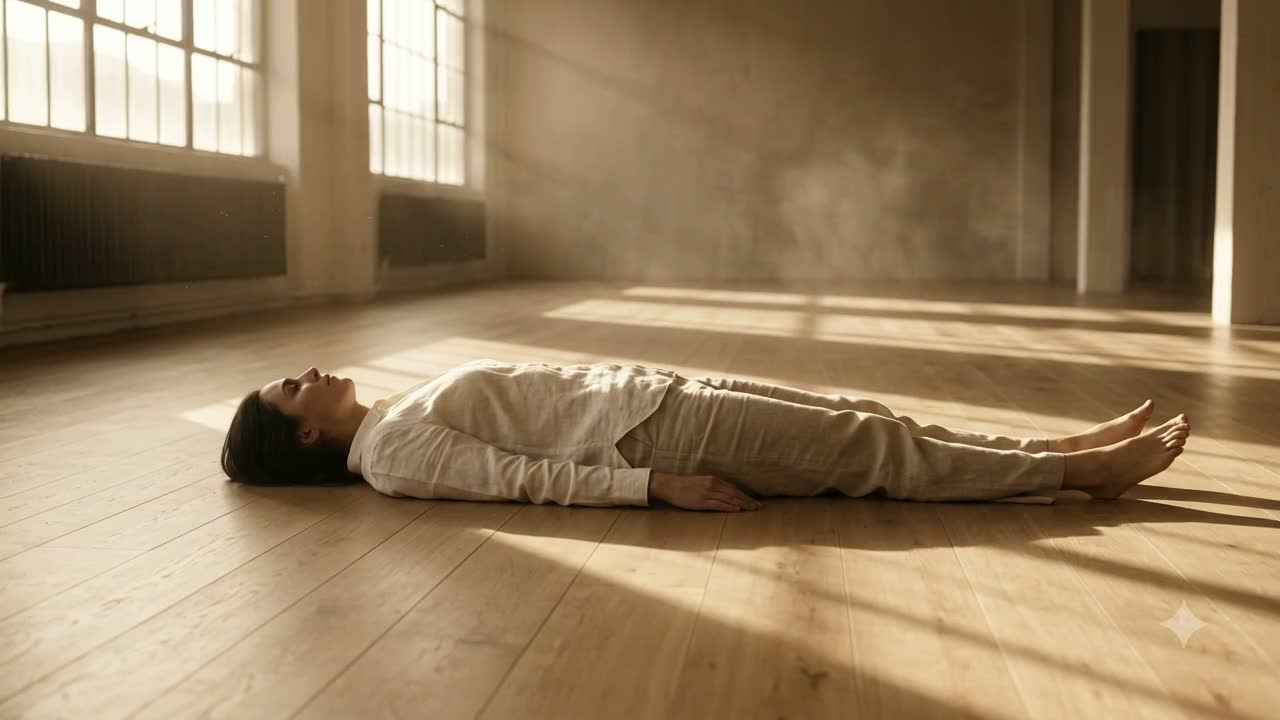
Fictional sample
Jona Beispiel
Osteopathy
Osteopath and licensed non-medical practitioner (Heilpraktiker)
- Musculoskeletal system
- Fascia
- Initial consultation
Frequently asked questions
Do you run a practice yourself? See the offer for osteopathy practices
Sources
- Bundesverwaltungsgericht, Urteil vom 10.10.2019, Az. 3 C 16/17
- Gesundheit.gv.at: Osteopathie
- Kanton Basel-Landschaft: Bewilligung Osteopathin und Osteopath
- Austrian Institute for Health Technology Assessment: Bericht zur Osteopathie (Pressemitteilung)
- Osteopathy Europe: Regulierung der Osteopathie in zwölf Ländern Europas (Stand 2025)
This content does not replace medical advice, diagnosis or treatment.