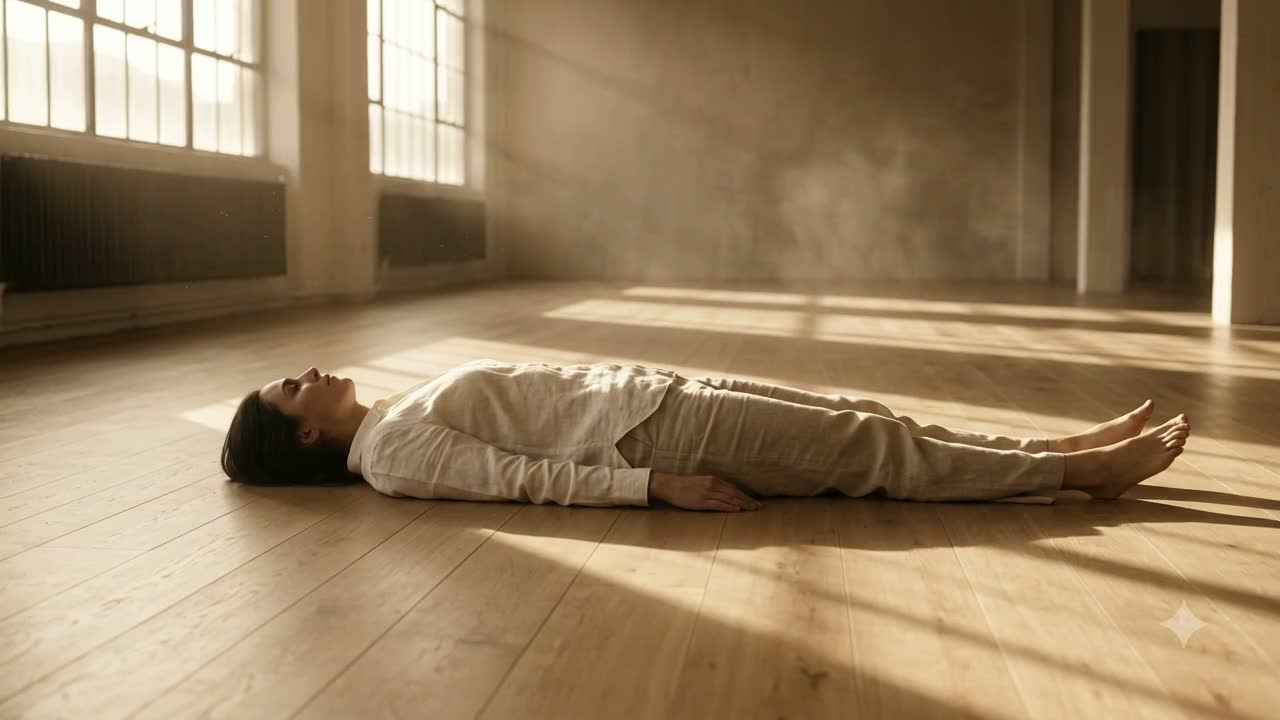
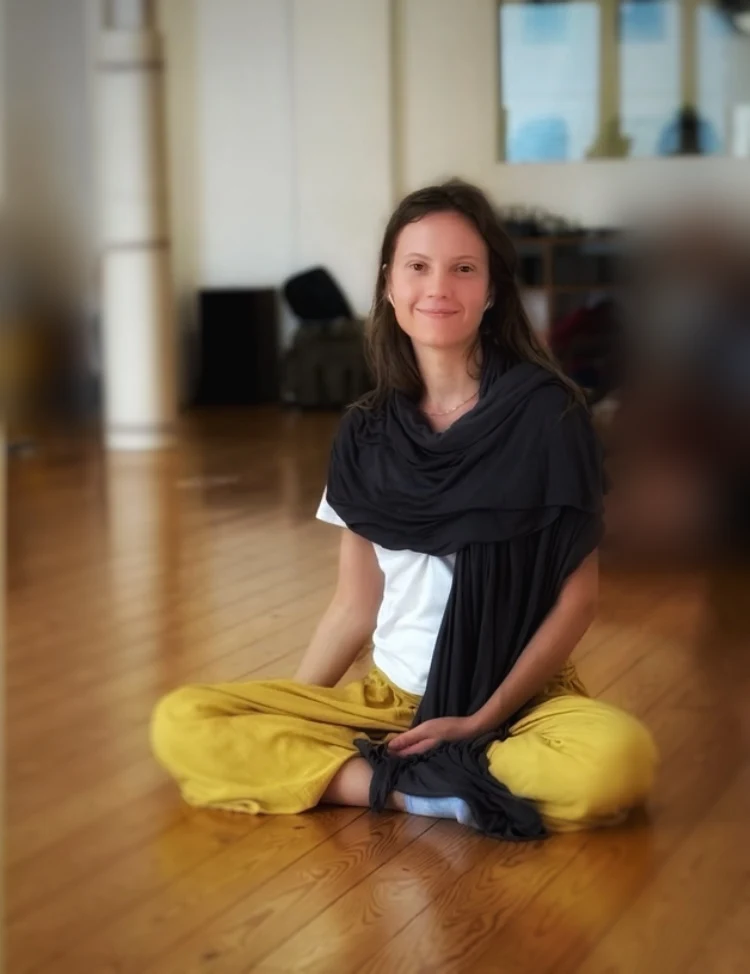
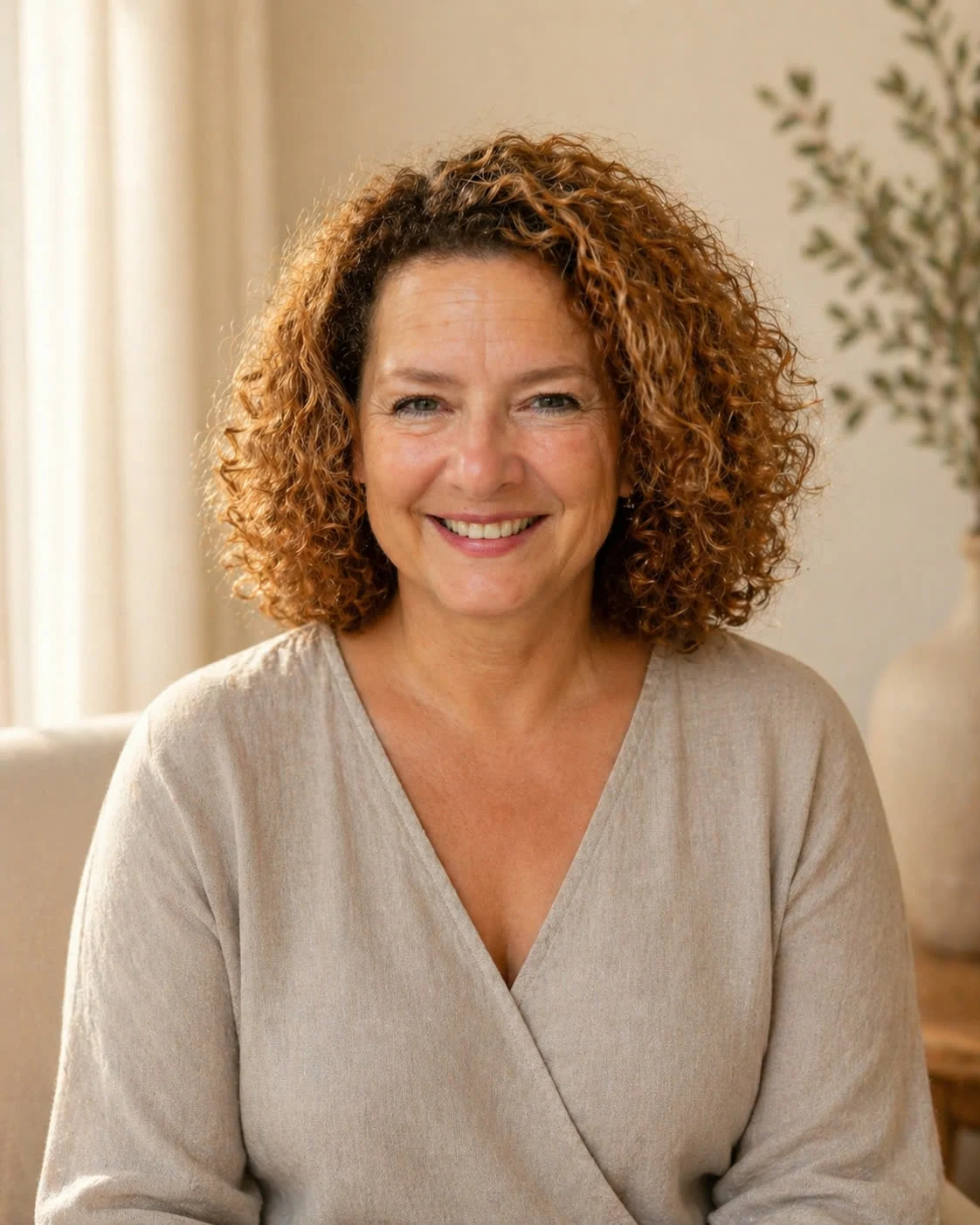
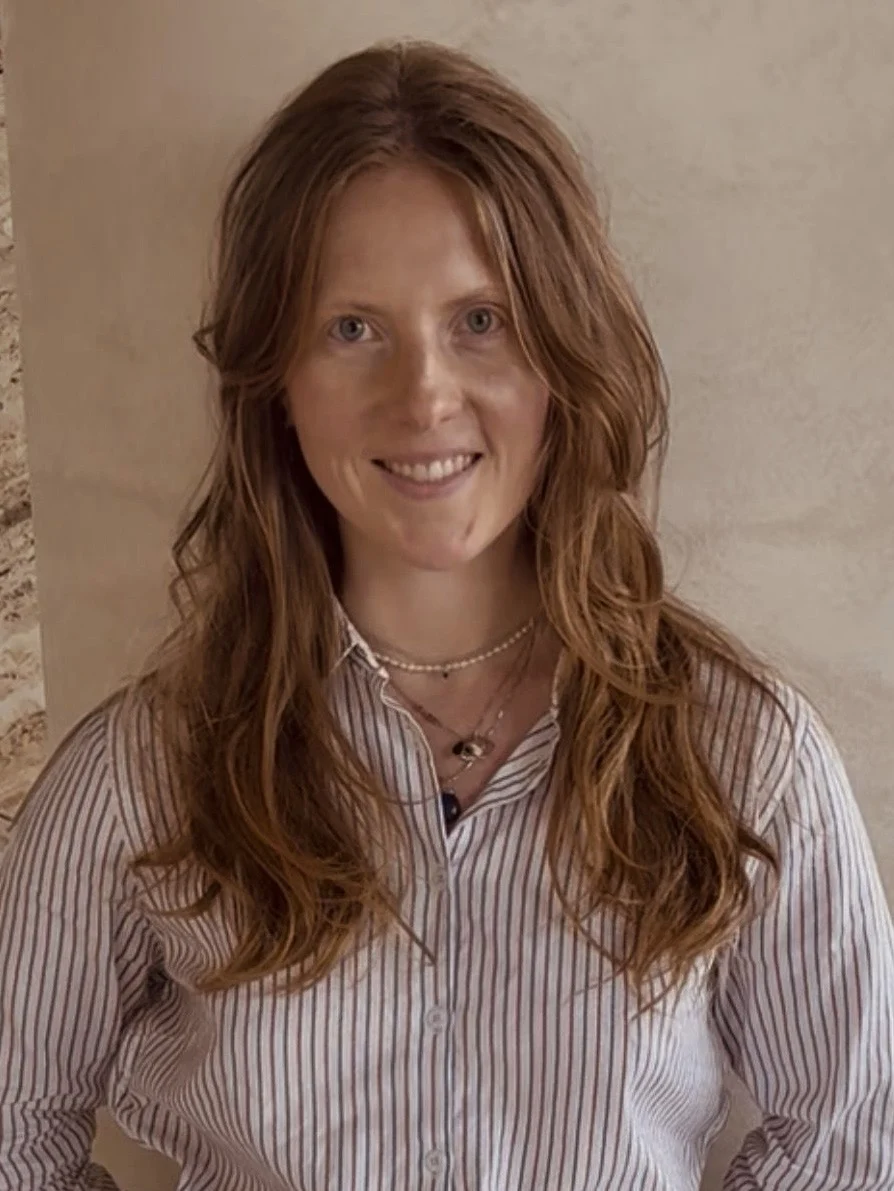
Faster. More. Always on. In Germany, people now sit for more than ten hours on an ordinary working day. And the body learns along with it. Tension. Stiffness. A breath with hardly any room left.
We're living longer than ever. Yet worldwide, nearly ten of those years are, on average, spent in poor health.
One man had an answer more than seventy years ago. Moshé Feldenkrais. Physicist, engineer, judo pioneer. After a serious knee injury he turned down surgery and set out to study how he moved. What he found: the nervous system can keep learning, all through life. Brain science now calls it neuroplasticity. He turned it into a method.
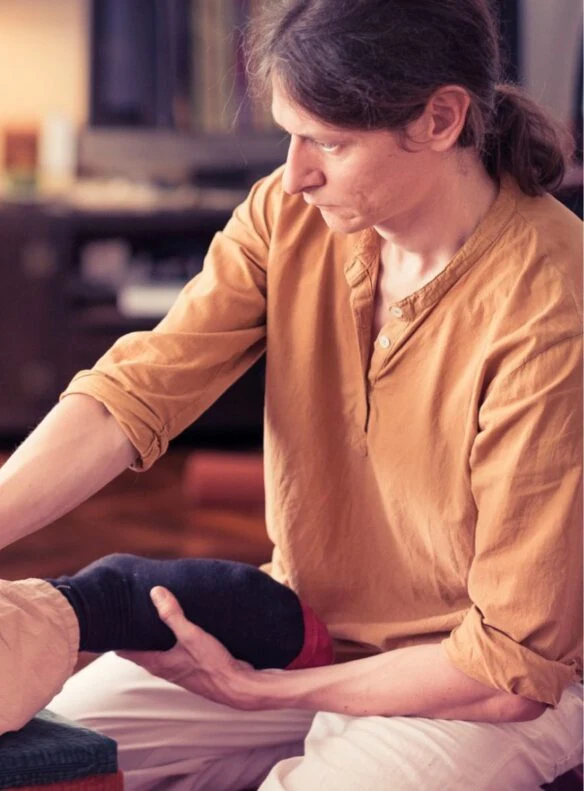
Through slow, attentive movement you sense how you move, and find easier ways. In a world that keeps speeding up, slowing down isn't a step back. It's the way forward.
And it reaches further than you'd think. How well we age shows in our balance. In one large study, people in their fifties to mid-seventies who couldn't stand on one leg for ten seconds had nearly double the risk of dying in the years that followed. Studies on Feldenkrais report better balance and mobility in older adults, and less neck and shoulder pain.
Feldenkrais doesn't replace medical care. It complements it, with what only you can learn. Not just a longer life. A longer, good life.
The BodyIQ shows you openly what's proven and what isn't. And it leads you to verified teachers near you. His idea was ahead of its time. Now its time has come. Find your teacher at thebodyiq.eu.
Fuentes: DKV-Report 2025 · Garmany et al., JAMA Network Open 2024 · Araujo et al., Br J Sports Med 2022 · Berland et al., IJERPH 2022