Methods
Feldenkrais is our core. These methods share its question.
The Alexander Technique and Clinical Somatics start from the same insight: the way we move is learned. And what is learned can change.
The heart of The BodyIQ
The Feldenkrais Method
Slow, attentive movement that helps the nervous system find easier ways. Developed over more than seventy years, and the largest directory on this site.
Sister method
Alexander Technique
Noticing everyday habits and learning to stop them. Much sought after for back and neck pain, desk work and the voice.
From the Feldenkrais lineage
Clinical Somatics
Short, focused sequences that release muscle tension we no longer notice. Developed by Thomas Hanna, a student of Moshé Feldenkrais.
Sample profiles
People behind the method
Fictional examples, not bookable teachers. Names and offers are samples, not verified profile information.
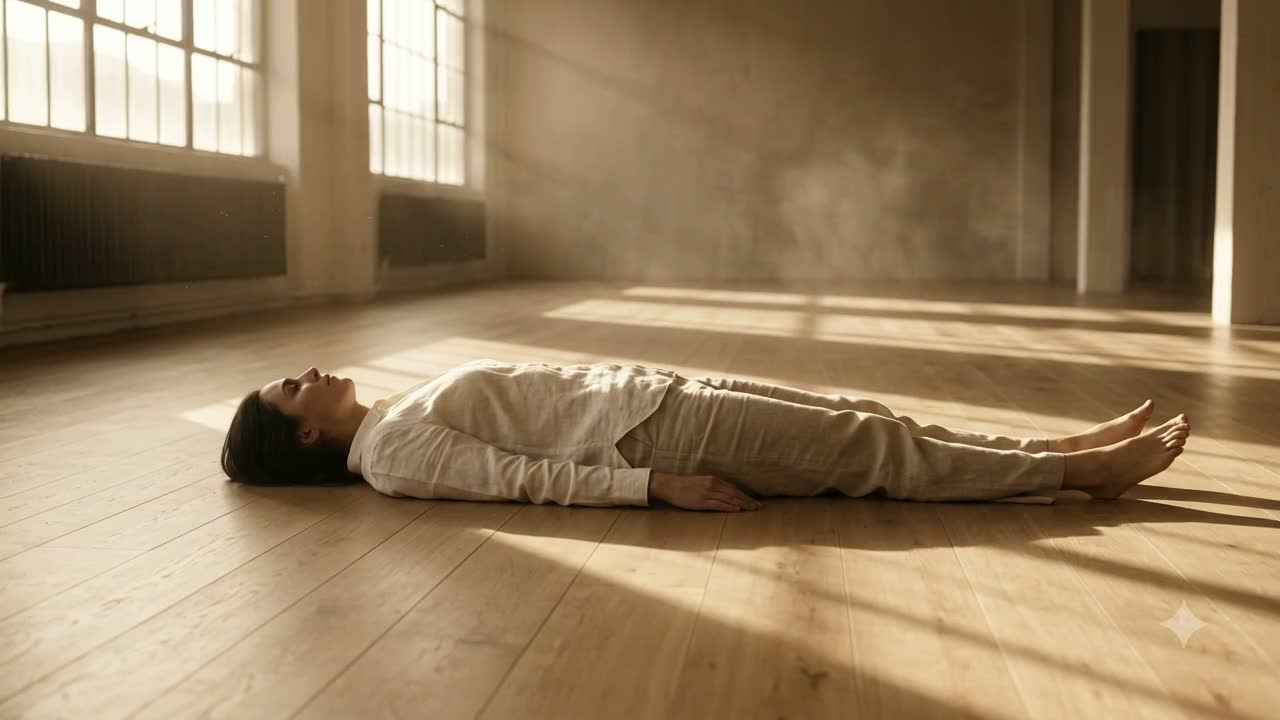
Fictional sample
Clara Beispiel
Alexander Technique
Alexander Technique teacher
- Everyday movement
- Posture
- Voice
Fictional sample
Robin Beispiel
Clinical Somatics
Clinical Somatics teacher
- Body awareness
- Gentle movement
- Everyday life
What the three share
Learning, not treatment.
None of the three works on your body. They work with you. They rely on attention rather than strength or stretching, and they see chronic tension as a pattern that has settled in over years, which is exactly why it can be unlearned. None of them replaces a medical assessment.
How to recognise a good teacher
Training matters.
- Feldenkrais: a four-year training, organised through the Feldenkrais associations.
- Alexander Technique: ATVD requires at least 1,600 hours over three years; standards vary by association.
- Clinical Somatics: a certificate from a training institute in the tradition of Thomas Hanna.
The BodyIQ seal shows you how far our checks go.
What the seal meansNot sure what suits you? Start with the solution finder. It shows you where Feldenkrais can help.
Choose your concern (in German)